Language: English











Rehabilitation and Strengthening RC Column
Carbon Fiber(CFRP)
Rehabilitation and Strengthening RC Column with Carbon Fiber(CFRP)

Project Overview
During the building's use, issues such as insufficient load-bearing capacity, localized concrete damage, and concrete spalling and cracking at beam-column joints occurred in the reinforced concrete load-bearing columns, leading to a decrease in the overall stiffness and stability of the columns and posing structural safety hazards. To ensure the building's continued safe use, the damaged load-bearing columns were reinforced using carbon fiber fabric reinforcement technology to improve their compressive and shear resistance and overall load-bearing capacity.

Major Defects
Based on the on-site construction photos, the main problems with the reinforced columns are as follows:
At the junction of the column and beam, there is extensive damage and spalling of the concrete, exposing the aggregate and compromising the integrity of the beam-column connection;
The column concrete exhibits weathering and cracking, and the original structural bearing capacity cannot meet current safety requirements;
After excavation of the soil at the column foundation, the original foundation's restraint performance has decreased, resulting in insufficient vertical bearing stability of the column, necessitating overall reinforcement.

Reinforcement Scheme
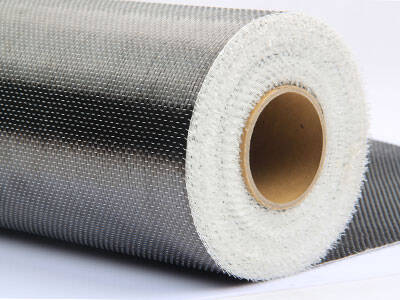
Based on the defects and stress characteristics of the load-bearing columns, unidirectional carbon fiber fabric is selected for circumferential reinforcement. The key points of the scheme are as follows:
First, loose concrete is removed from the damaged areas of the column, and high-strength repair mortar is used for leveling and repair, restoring the column's regular cross-section;
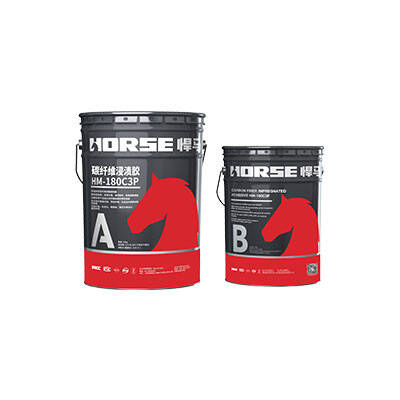
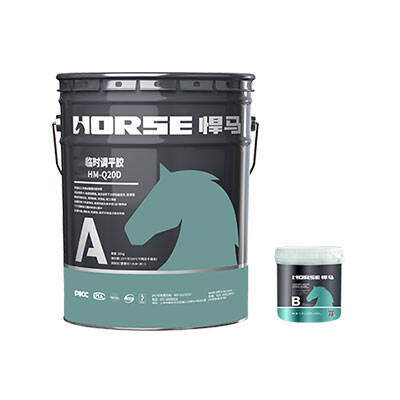
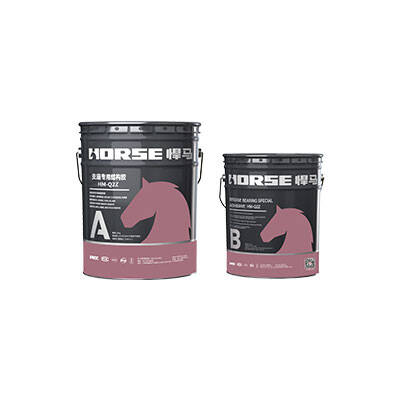
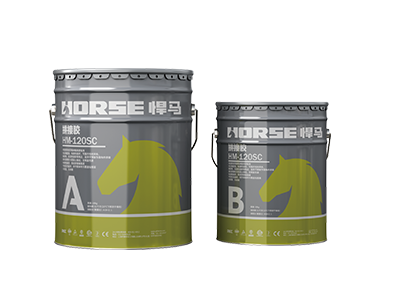
The column body is ground, dusted, and the base surface is treated, then a base layer of epoxy resin is applied to ensure a tight bond between the carbon fiber fabric and the concrete;
The carbon fiber fabric is fully applied circumferentially along the column height to constrain the column, improve the compressive strength of the concrete, and limit column deformation;
Damaged areas at the beam-column joints are repaired simultaneously, and the shear resistance of the joints is enhanced by the carbon fiber fabric to ensure coordinated beam-column load-bearing;
The soil in the column foundation area is backfilled and compacted to improve foundation constraint and form an integrated load-bearing system with the upper carbon fiber reinforcement.

Construction Technology and Process
Surface Preparation: Loose, damaged, and peeling concrete on the column is manually removed. Latex and oil stains on the column surface are ground away. Damaged areas at beam-column joints are cleaned. High-strength repair mortar is used to repair and level uneven areas, ensuring a smooth and solid surface.
Primer Application: Epoxy resin primer is prepared and evenly applied to the reinforced area of the column, impregnating the concrete surface and enhancing adhesion.
Carbon Fiber Fabric Bonding: Carbon fiber fabric is cut to the design and wrapped around the column. The overlap length at multiple layers is strictly controlled. Air bubbles are removed using a roller, ensuring complete adhesion between the carbon fiber fabric and the adhesive. The fabric surface is kept smooth and free of voids throughout the process.
Cure and Formation: After bonding, the column is allowed to cure naturally until the adhesive is fully cured, forming a carbon fiber constraint reinforcement layer that effectively strengthens the column.
Finishing: The reinforced column is plastered and sealed to restore the building's appearance. Foundation backfilling and site cleanup are completed.

Reinforcement Effect
The circumferential restraint of carbon fiber cloth effectively improves the compressive bearing capacity, ductility and deformation resistance of concrete columns, and solves the safety hazards of insufficient column bearing capacity and joint damage.