


 Language: English











Solutions
Horse Construction offers full range of structural strengthening materials with technical supports, documentation supports, products supports, project supports.
Main Application Scenarios of CFRP Strengthening Systems in Concrete Infrastructure
Carbon Fiber Reinforced Polymer (CFRP) strengthening systems have emerged as the dominant and reliable solution for the maintenance, retrofitting, and service life extension of concrete infrastructure. Endowed with inherent advantages including high specific strength, lightweight properties, superior corrosion resistance, efficient construction procedures, and extensive adaptability, CFRP systems are extensively applied in various concrete structures across transportation, building construction, water conservancy, and other key infrastructure sectors.
The commonly used CFRP products for structural reinforcement include the following:
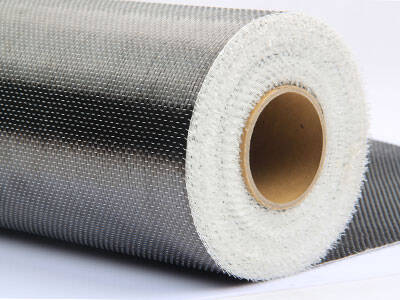
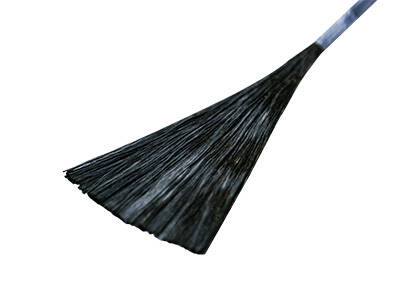
carbon fiber fabric/sheet/wrap
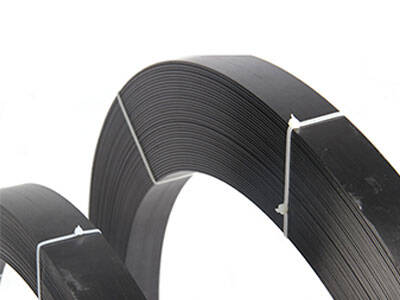
carbon fiber plate/laminate/strip
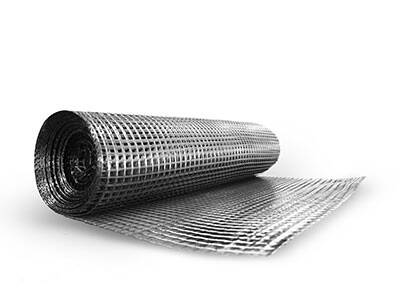
carbon fiber mesh/grid
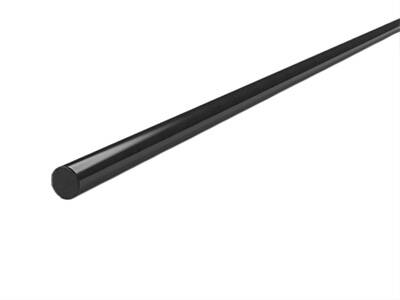
carbon fiber rod/rebar
FRP pile jackes
carbon fiber anchor
carbon fiber cable
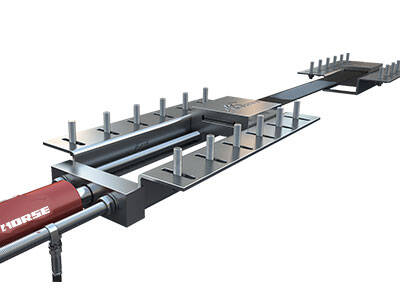
prestress carbon fiber laminate
FRP post-tension system

The primary application scenarios are elaborated in detail as follows:
1) Building Structures (Residential, Commercial and Public Buildings)
In existing buildings, CFRP strengthening systems are widely utilized to improve the safety and durability of concrete components, driven by requirements such as functional renovation (e.g., increased floor load), structural aging, design deficiencies, or seismic retrofitting. This technique offers distinct advantages, including minimal construction space requirements and negligible disruption to building occupancy.


- Beam and Slab Reinforcement: For floor beams, roof slabs, and cantilever slabs in residential buildings, office complexes, and shopping malls, CFRP bonding is implemented to enhance flexural, shear, and crack resistance performance. For instance, when floor loads are increased due to functional conversion (e.g., repurposing residential space for office use), CFRP retrofitting can rapidly meet the required load-bearing capacity without the need for demolition and reconstruction.

- Column Reinforcement: For concrete columns in high-rise buildings, frame structures, and industrial facilities, circumferential wrapping with CFRP fabrics effectively constrains the concrete core, enhancing column ductility and axial compression capacity, and improving the overall seismic performance of the structure. This method is particularly suitable for columns with insufficient cross-sectional dimensions or concrete strength, avoiding large-scale structural modifications.

- Wall Reinforcement: For concrete shear walls, load-bearing walls, and partition walls in residential, commercial, and public buildings, CFRP fabrics or strips are bonded to the wall surface (in one-way or two-way layouts) to enhance shear capacity, crack resistance, and lateral stiffness. This is particularly applicable to existing building walls with insufficient shear strength due to design defects, structural aging, or functional upgrading (e.g., increasing building stories). For non-load-bearing partition walls prone to cracking, CFRP reinforcement can effectively inhibit crack propagation and improve structural integrity. In seismic-prone areas, CFRP strengthening of shear walls significantly enhances the wall’s lateral resistance and ductility, reducing the risk of damage or collapse under seismic loads. Additionally, CFRP’s excellent corrosion resistance ensures long-term reinforcement effectiveness for walls in high-humidity indoor or semi-outdoor environments of buildings.

- Historic Building Restoration: For historic buildings and cultural heritage structures with concrete components, CFRP strengthening serves as a non-destructive or minimally invasive retrofitting method. Its lightweight and flexible properties enable the enhancement of load-bearing capacity and structural stability without damaging the original architectural appearance and structural integrity, achieving a balance between preservation and reinforcement.

2) Bridge Infrastructure
Bridges are continuously subjected to adverse environmental conditions, including dynamic vehicle loads, environmental erosion (e.g., wind, rain, and temperature fluctuations), and material degradation over extended service life, which frequently result in structural deficiencies such as reduced load-bearing capacity, crack initiation and propagation, and localized structural damage. CFRP strengthening systems offer an effective remediation approach, as they do not significantly increase the structural dead load and exert minimal interference on traffic operation during construction.


- Girder and Slab Reinforcement: For main girders (e.g., box girders, T-beams, I-beams) and bridge slab bottoms of highways, railways, and urban overpasses, CFRP fabrics or laminates are bonded to the tensile zones (bottom or lateral surfaces) to enhance flexural and shear capacities. This technique is particularly suitable for the retrofitting of aging bridges with inadequate design loads, enabling them to meet the demands of increased traffic volume and heavy-duty vehicles without altering the structural cross-sectional dimensions.

- Pier and Abutment Reinforcement: For bridge piers and abutments, circumferential wrapping with CFRP strips or fabrics is employed to enhance ductility, axial compression capacity, and seismic performance, while preventing shear failure and concrete spalling. In coastal or river-crossing bridge structures, the excellent corrosion resistance of CFRP effectively mitigates the deleterious effects of saltwater and high-humidity environments, thereby extending the service life of piers and abutments.

- Deck Pavement Strengthening: For bridge decks exhibiting cracks, delamination, or reduced load-bearing capacity, CFRP grids or fabrics are embedded within the pavement system to enhance deck integrity and fatigue resistance, inhibit crack initiation and propagation, and prevent premature pavement deterioration.

3) Underground Infrastructure
Underground and municipal infrastructure operates in enclosed, high-humidity, or corrosive environments for prolonged periods, imposing stringent requirements on material durability and construction efficiency. CFRP strengthening systems are well-suited to these complex construction environments, effectively addressing issues related to structural damage and performance degradation.

- Tunnel Lining Reinforcement: For highway tunnels, railway tunnels, and urban subway tunnels, concrete linings are prone to crack formation, water seepage, and spalling due to surrounding rock pressure, soil settlement, and long-term service. Bonding CFRP fabrics to the inner surface of the lining enhances its shear and tensile capacities, inhibits crack propagation, and improves the tunnel’s waterproof and corrosion-resistant performance.

- Retaining Wall and Sewer Reinforcement: For municipal retaining walls, flood control walls, and sewer pipelines, CFRP strengthening is employed to enhance structural resistance against soil pressure, water pressure, and sewage corrosion. For example, in the retrofitting of aging sewer pipelines, CFRP strips are wrapped around the pipe wall to improve structural strength and prevent leakage and collapse.
4)) Water Conservancy and Marine Infrastructure
Water conservancy and marine infrastructure are typically exposed to long-term wet, saltwater, or chemical corrosion environments, which place high demands on the corrosion resistance of strengthening materials. CFRP materials exhibit excellent corrosion resistance, making them well-adapted to the harsh conditions of water conservancy and marine engineering projects.


- Dam and Sluice Reinforcement: For concrete dams, sluice gates, and spillways, CFRP is bonded to the structural surface to enhance crack resistance, shear capacity, and erosion resistance, preventing dam damage caused by water pressure and flow scouring, and ensuring the safety and stability of water conservancy projects.
- Marine Structure Reinforcement: For offshore platforms, wharves, breakwaters, and other marine concrete structures, CFRP strengthening effectively resists corrosion from saltwater, wave action, and marine organisms, preventing steel reinforcement corrosion within the concrete and extending the structural service life. It is recognized as an ideal strengthening material for marine infrastructure.

5) Special Working Conditions and Post-Disaster Reinforcement
- Corrosive Environment Projects: In industrial facilities (e.g., chemical plants, power stations) and high-salinity areas, the superior corrosion resistance of CFRP prevents concrete structural damage caused by chemical media and salt corrosion, maintaining long-term structural performance.
- Heavy-Duty Load Projects: In industrial plants, warehouses, and other facilities with heavy-duty equipment and high load requirements, CFRP strengthening is utilized to enhance the load-bearing capacity of beams, slabs, and columns, meeting heavy-duty service demands and ensuring safe project operation.

- Post-Disaster Reinforcement: Following natural disasters such as earthquakes, floods, and typhoons, concrete structures often sustain damage (e.g., cracks, structural deformation). CFRP strengthening enables rapid repair and retrofitting of damaged structures, restoring load-bearing capacity and stability, and shortening the post-disaster recovery period.
You can find anything here you are in need of, have a trust trying on these products, you will find the big difference after that.

High strength, unidirectional carbon fiber wrap pre-saturated to form a carbon fiber reinforced polymer (CFRP) wrap used to strengthen structural concrete elements.

High strength carbon fiber reinforced polymer (CFRP) strip / laminate / plate for structural strengthening and concrete repair

Prestressed carbon fiber reinforced polymer(CFRP) plate for slab, beam strengthening to increase stiffness, reduce distortion and deflection of members, reduce the cracks, avoid and stop cracking.
