


 Language: English








Solutions
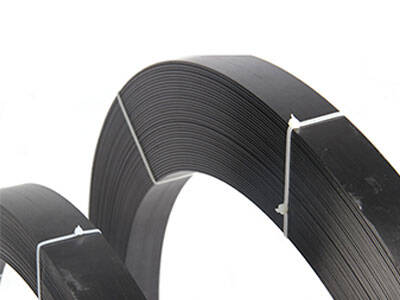
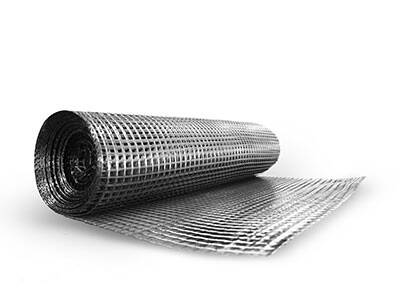
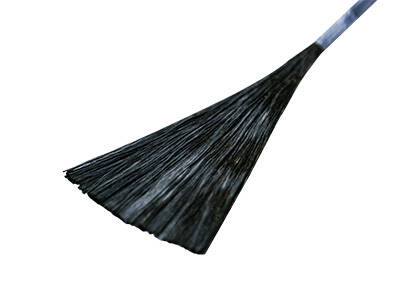
Horse Construction offers full range of structural strengthening materials with technical supports, documentation supports, products supports, project supports.
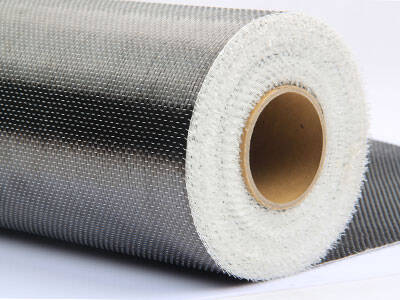
With its characteristics of "balanced performance, wide adaptability, and convenient construction", 230g unidirectional carbon fiber has become the core carrier connecting "structural safety requirements" and "efficient reinforcement solutions".

In structural reinforcement projects across construction, industry, and transportation, the mechanical properties, compatibility, and construction efficiency of materials directly determine project quality and long-term safety. 230g unidirectional carbon fiber, with its core advantages of "high strength, lightweight, and ease of construction," has become the preferred material for addressing needs such as structural load enhancement, seismic reinforcement, and damage repair. It is widely used in civil buildings, bridges, industrial equipment, and other scenarios, providing reliable support for various structural safety upgrades.
1. Basic Specifications
230g unidirectional carbon fiber is characterized by its "230g/㎡ unit area weight," with stable and controllable key parameters ensuring precise and predictable reinforcement effects:
Physical Dimensions: Thickness approximately 0.128-0.131mm, density 1.8g/cm³, fiber main direction is 0° unidirectional arrangement, which can focus the load transfer in the direction of force and avoid material waste;
Flexibility and Customization: Standard widths include 100mm, 200mm, 300mm, 500mm, etc., and special widths (such as 0.1-2m) are supported for customization as needed. Packaging is mostly 100 meters/roll, suitable for different project volumes;
Storage and Lifespan: Must be stored in a dry environment of 4°-35℃. The shelf life of the standard product is 10 years. Long-term storage has no performance loss, meeting the long-term stock needs of projects.
2. Mechanical Performance Advantages
The mechanical performance of 230g unidirectional carbon fiber far surpasses that of traditional reinforcement materials (such as steel and fiberglass), providing ample redundancy for structural safety:
High Strength: The dry fiber tensile strength can reach 3793-4900MPa, which is 8-10 times that of ordinary steel, effectively resisting external forces such as structural overload and seismic impact;
High Modulus: The tensile elastic modulus reaches 230-240GPa (industry average 200GPa), and some patented products can be increased to 240GPa, reducing structural deformation and ensuring stability after reinforcement;
Lightweight: The density is only 1/4 that of steel, and the reinforcement does not increase the load on the original structure, avoiding secondary stress problems caused by the material's own weight;
Weather Resistance: It has corrosion resistance, alkali resistance, and high temperature resistance, with an aging resistance of over 50 years, suitable for complex environments such as humidity and industrial corrosion, requiring no frequent maintenance.
3. Construction Adaptability
230g unidirectional carbon fiber exhibits high flexibility in construction scenarios, reducing project difficulty and time:
Shape Adaptability:The material is soft and flexible, able to conform to complex structural shapes such as columns, beam corners, and pipes, and even adapt to construction in confined spaces;
Bonding Performance:Bonding strength to concrete substrate ≥2.5MPa (industry average 2.0MPa). Some products utilize "single-sided rough surface treatment" technology, eliminating the need for additional adhesive during construction, achieving a 98% fit and shortening construction time by 30%;
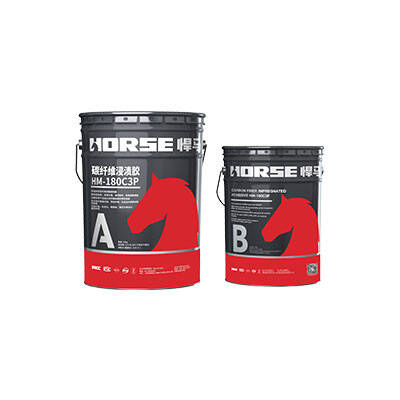
Operational Compatibility: Supports both dry and wet layup processes. Construction can be completed using dedicated epoxy primer, leveling adhesive, and impregnating adhesive, eliminating the need for large equipment and lowering the barrier to entry for on-site operations.
Global Mainstream Suppliers for Structural Strengthening
Sika
Horse Construction
BASF
SGL
Simpson
Application Scenarios: Covering Structural Reinforcement Needs Across All Fields
1. Wide Range of Adaptable Substrates
It can bond tightly with a variety of substrates such as concrete, steel, masonry, and wood, without requiring special pretreatment (only surface cleaning is needed). It is suitable for reinforcing concrete walls and beams in old buildings, as well as for corrosion protection and reinforcement of steel components in industrial plants. It can also repair cracks in wood structures, adapting to the needs of various substrate scenarios.
2. Core Reinforcement Scenarios
Load Enhancement: Addressing needs such as increased warehouse loads, increased bridge traffic, and the installation of heavy components in industrial equipment. By enhancing structural load-bearing capacity, deformation or fracture caused by overloading is prevented.
Seismic Reinforcement: Used for column wrapping and wall reinforcement in earthquake-prone areas. This improves the structure's shear and lateral displacement resistance, reducing earthquake damage.
Damage Repair: For structural aging, vehicle impact, and fire-related component damage, 230g unidirectional carbon fiber is bonded to restore or even exceed the original structural strength.
Functional Modification: In conjunction with changes in building function (such as wall removal or floor openings), reinforcing remaining structures, balancing load distribution, and correcting design or construction errors.
3. Key Application Areas
Civil Buildings: Reinforcement of walls and floors in old residential communities to ensure residential safety;
Infrastructure: Reinforcement of bridge beams, tunnel linings, and wharf piers to extend service life;
Construction Precautions
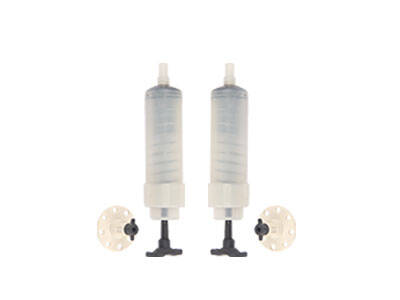
Surface Treatment: The substrate must be free of oil, dust, and damaged layers. Concrete cracks must be repaired with injection adhesive first, ensuring the surface is smooth and dry.
Compatible Materials: Use only brand-specific epoxy systems (such as Horse Construction HM-180 series or Sikadur series). Avoid mixing different brands of adhesives, which may lead to bonding failure.
Cure Management: Avoid rain and moisture within 24 hours after construction. Cure for at least 3 days at 20-25℃, and extend to 7 days below 10℃ to ensure full curing.
You can find anything here you are in need of, have a trust trying on these products, you will find the big difference after that.

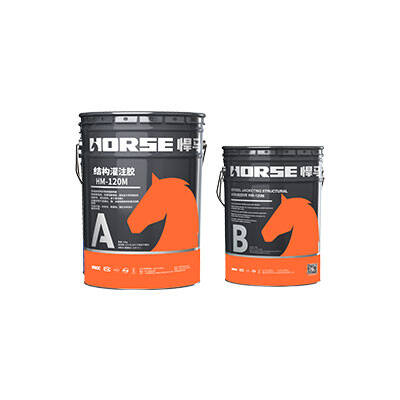
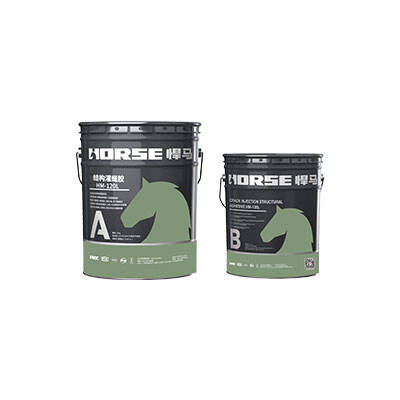
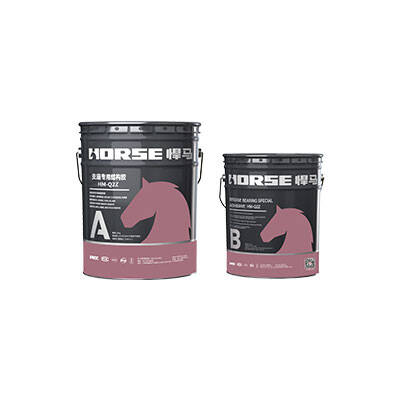
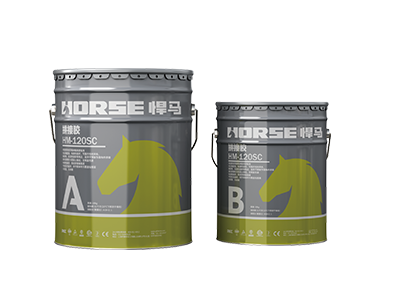
Low viscosity, strong penetration carbon fiber primer for reinforced concrete surface to enhace the defect part

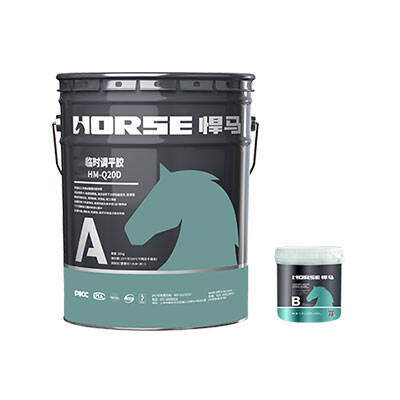
Good thixotropy carbon fiber leveling adhesive for concrete surface repairing

Good impregnation carbon fiber adhesive for applying carbon fiber reinforced polymer(CFRP) wrap for structural strengthening
