Language: English












CFRP Structural Retrofitting
Turkey
Delivered a comprehensive reinforcement solution addressing slab flexural deficiency, beam capacity inadequacy, column confinement/seismic deficiency, and joint shear vulnerability.
Project Overview
| Item | Details |
|---|---|
| Project Location | Aegean Region, Turkey |
| Facility Type | Critical industrial production facility |
| Structural System | Reinforced concrete frame structure |
| Retrofit Scope | Slab soffit + beam + column CFRP bonding (selective columns); RC jacketing for heavily deficient columns |
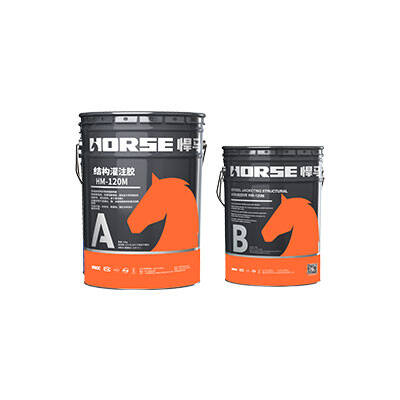
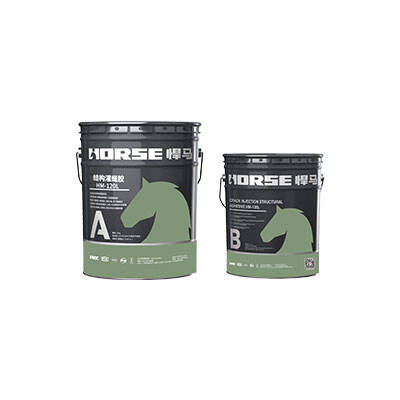
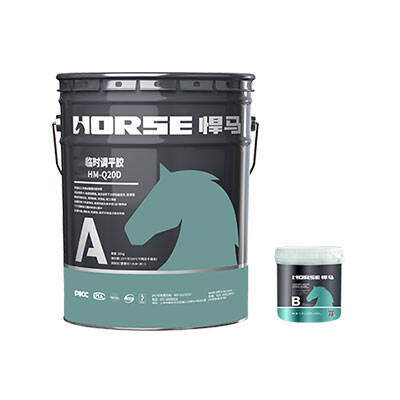
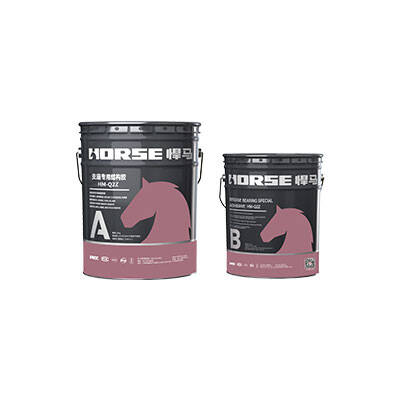
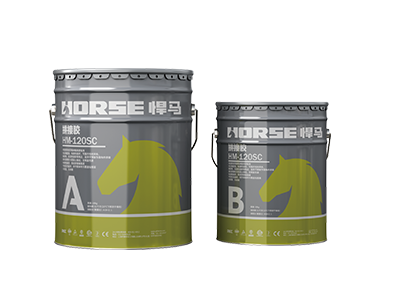
| CFRP Material Supplier | Shanghai Horse Construction Co., Ltd. |
| Main Contractor | Omnis Kompozit Ltd. |
| Application Partner | GASO MECH |
| Seismic Zone | High seismicity region (Turkey active fault zone) |
This project involves the structural retrofitting of an operational industrial facility located in Turkey's Aegean region, a zone characterized by high seismic activity. The facility required structural strengthening to enhance seismic resistance, improve load-bearing capacity, and ensure uninterrupted operational continuity.
Structural Problem
Field structural assessment identified the following critical deficiencies:
Slab capacity inadequacy: Original floor slabs exhibited insufficient flexural capacity under updated load combinations; visible cracking on slab soffit indicated stress redistribution under service loads;
Beam capacity inadequacy: Multiple beams showed insufficient flexural and shear capacity under seismic load combinations; flexural cracking observed at mid-span and shear cracks near supportColumn confinement deficiency (partial) : Existing RC columns lacked adequate transverse reinforcement for ductile seismic performance; potential for brittle shear failure under lateral seismic forces;
Column severe deficiency (selective columns) : Certain columns exhibited critical axial load capacity deficiency and required substantial section enlargement to meet current code requirements;
Joint region vulnerability: Beam-column joint areas showed insufficient shear capacity, a common deficiency in pre-modern-code RC frames;
Overall lateral system: The structural lateral force-resisting system was inadequate to meet current seismic performance objectives for life-safety and immediate occupancy.

Reinforcement Solution: CFRP + RC Jacketing
| Retrofit Method | Application | Rationale |
|---|---|---|
| CFRP Strengthening | Slabs, beams, selective columns | Moderate capacity deficiency; rapid installation with minimal disruption to operations |
| RC Jacketing (Section Enlargement) | Selective heavily deficient columns | Critical axial load capacity deficiency; requires substantial section increase |

CFRP Advantages
| Advantage | Technical Benefit |
|---|---|
| High tensile strength | CFRP tensile strength ≥ 3,400 MPa, providing significant capacity enhancement with minimal section increase |
| Lightweight | Negligible additional dead load to existing structure, avoiding foundation overloading |
| Rapid installation | Minimal disruption to facility operations; no heavy equipment or wet trades required |
| Corrosion resistance | Immune to chemical attack in industrial environment, ensuring long-term durability |
| Seismic performance enhancement | Improves ductility and energy dissipation capacity of strengthened members |
| Conformability | Flexible fabric adapts to complex geometries (slab soffits, column surfaces, beam sides, joint regions) |

Advantages of RC Jacketing (Section Enlargement):
| Advantage | Technical Benefit |
|---|---|
| Substantial capacity increase | Section enlargement directly increases both axial load capacity and flexural resistance |
| Proven technology | Well-established construction method with extensive engineering experience and established design codes |
| Composite action | Dowel bar connection ensures existing and new concrete work as monolithic structural unit |
| Enhanced stiffness | Increased cross-section provides greater moment of inertia, reducing deflection under service loads |
| Fire resistance | Concrete and steel reinforcement inherently fire-resistant, no additional protection required |
| Foundation compatibility | Additional weight of enlarged section distributed over larger area; foundation bearing pressure typically remains within acceptable limits |
CFRP Material System
Horse Construction CFRP Material Specifications:
| Parameter | Specification |
|---|---|
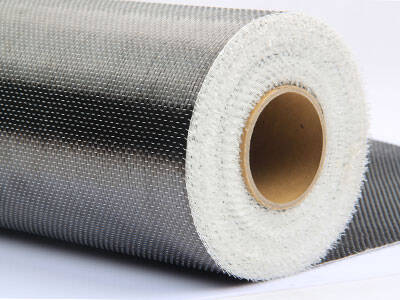
| Carbon Fiber Fabric | 300 g/m² uni-directional high-strength carbon fiber fabric |
| Tensile Strength (characteristic) | ≥ 3,400 MPa |
| Modulus of Elasticity | ≥ 240 GPa |
| Elongation at Break | ≥ 1.7% |
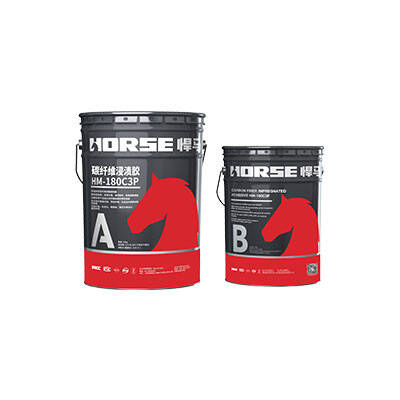
| Impregnating Resin | Epoxy-based structural adhesive |
| Resin Tensile Strength | ≥ 65 MPa |
| Resin Shear Strength | ≥ 12 MPa |
| Resin Compressive Strength | ≥ 75 MPa |

Retrofitting
1) Slab Flexural Strengthening (CFRP)
2) Beam Flexural and Shear Strengthening (CFRP)
3) Column Seismic Retrofitting — Two Approaches
Approach A: CFRP Confinement (Partial Columns):Adequate axial capacity, confinement deficiency
Approach B: RC Jacketing / Section Enlargement (Selective Heavily Deficient Columns):Critical axial capacity deficiency