Language: English











Hotel Building Reinforcement
Concrete Slab Crack Repair and Strengthening
Concrete Slab Crack Repair and Strengthening

Project Overview
This project involves a four-star hotel facility. The main building structure consists of a reinforced concrete frame system. During the interior renovation phase, through-cracks of varying severity were observed on the undersides of the concrete floor slabs. The width of some of these cracks exceeded 0.2 mm, thereby compromising both the structural integrity and load-bearing capacity of the floor slabs.


Based on structural inspection and design verification, the cracks in the floor slab are classified as structural cracks, primarily resulting from the superposition of concrete shrinkage and load disturbances during the construction phase. Remediation requires an initial repair using low-pressure resin injection to restore the cracks' compactness and structural integrity, followed by reinforcement with carbon fiber fabric to inhibit crack propagation and enhance the slab's tensile load-bearing capacity, thereby ensuring full compliance with relevant code requirements.
Reinforcement Design Plan
This reinforcement project adheres to the principle of "repairing cracks first, then strengthening the structure" and will be implemented in two stages:
Low-Pressure Resin Injection for Crack Repair:
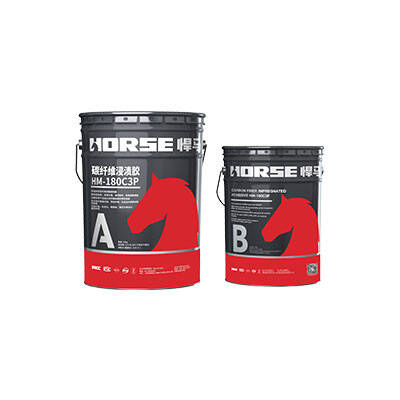
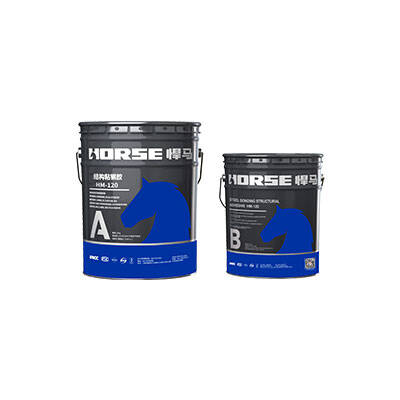
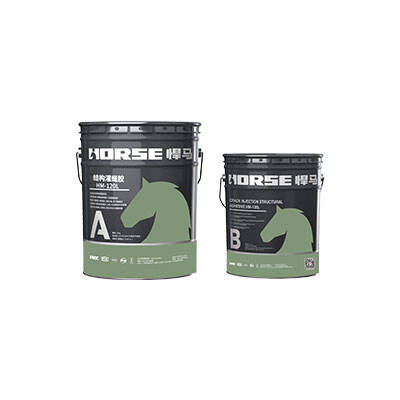
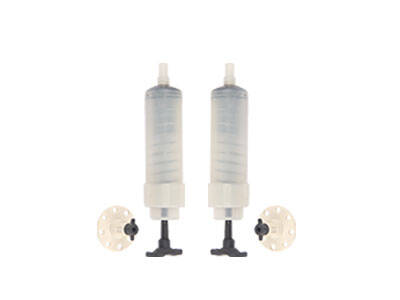
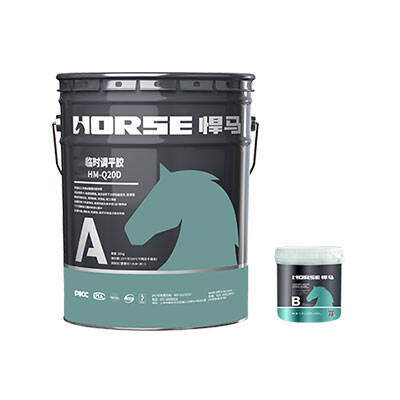
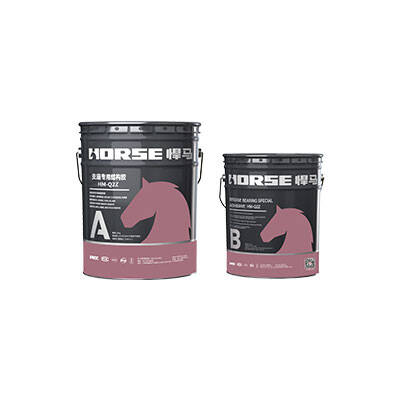
For floor slab cracks with a width of 0.2 mm or greater, a low-pressure, slow-injection method will be employed to inject a modified epoxy structural adhesive. This process fills the internal voids within the cracks, thereby restoring the structural integrity of the floor slab and sealing off pathways for water and gas infiltration.
Carbon Fiber Fabric Reinforcement:
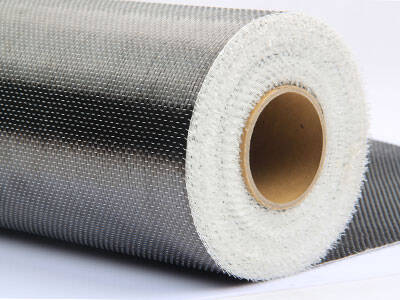
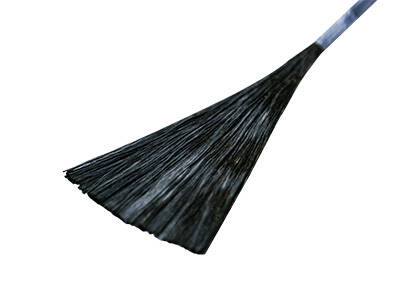
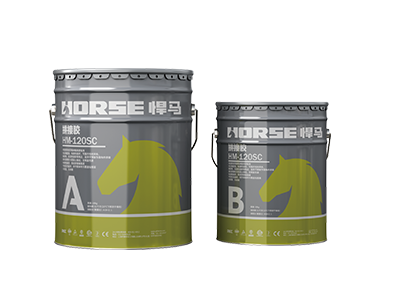
Once the resin injection is complete and has undergone adequate curing, a layer of 300 g/m² high-performance carbon fiber fabric will be bonded to the underside of the floor slab, aligned with the primary stress direction. Through the synergistic load-bearing action between the carbon fiber fabric and the concrete slab, this measure inhibits crack propagation, enhances the slab's tensile and flexural load-bearing capacities, and ensures compliance with the service load requirements for the hotel guest rooms.

Key Control Points for Construction
Crack Injection Phase: Strictly control grouting pressure to prevent excessive pressure from causing secondary cracking of the fissures. The grouting sequence must adhere to the principle of proceeding "from bottom to top and from wide to narrow" to ensure that the grout completely fills the cracks.
Carbon Fiber Bonding Phase: The moisture content of the substrate must meet specified requirements to prevent bonding failure caused by excessive moisture. When applying the carbon fiber fabric, ensure that its orientation aligns with the structural load-bearing direction of the floor slab; furthermore, take care to avoid damaging the carbon fibers during the rolling process.

Reinforcement Results
Upon completion of the carbon fiber fabric reinforcement, verification by a third-party testing agency confirmed that the tensile load-bearing capacity of the floor slab increased by approximately 35%. Furthermore, crack propagation was effectively inhibited, thereby satisfying the long-term service load requirements for the hotel guest rooms and complying with relevant codes and standards.