


 Language: English











Solutions
Horse Construction offers full range of structural strengthening materials with technical supports, documentation supports, products supports, project supports.
How to Deal with 0.2–0.25 mm Longitudinal Cracks in Bridge Segments Bridge Mid‑span and Side‑span

Longitudinal Cracks
Location: Mid‑span, side‑span and segments of concrete bridge decks
Crack width: 0.2 mm to 0.25 mm
Risks: Water and de‑icing salt ingress, concrete spalling, reinforcement corrosion, and progressive structural weakening
Main factors contributing to these cracks:
Flexural and thermal stress: Tensile forces from traffic loads and temperature changes concentrate in mid‑span and side‑span regions.
Concrete shrinkage: Early‑age shrinkage and insufficient curing create internal stresses that lead to cracking.
Substructure movement: Minor settlement in the underlying soil adds extra stress to the bridge deck.
Rehabilitation Solution
Epoxy Crack Injection:
Low‑viscosity epoxy resin is injected into the cracks under controlled pressure.
Using a low pressure of 0.2–0.4 MPa, low-viscosity epoxy resin is slowly and evenly injected into minute cracks as small as 0.25 mm, ensuring that the resin fully penetrates to the deepest part of the crack. After curing, the epoxy resin forms high-strength chemical bonds with the concrete, re-bonding the cracked concrete into a whole, restoring its structural integrity and tensile strength, while simultaneously forming a waterproof barrier to prevent the intrusion of moisture and corrosive ions.

Construction Steps (For Longitudinal Cracks of 0.2mm-0.25mm in Bridges)
Crack Pretreatment
Thoroughly clean the crack surface of dust, oil, and loose concrete.
Clean the interior of the crack with compressed air or a wire brush to ensure unobstructed resin penetration channels.
Installing Nozzles
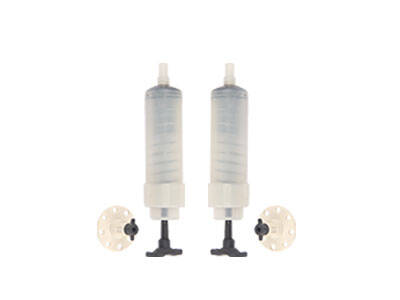
Install a nozzle every 20–30 cm along the longitudinal direction of the crack (as shown in the diagram).
Secure the nozzle base to the crack with sealant, ensuring a tight fit between the base and the concrete surface.
Low-Pressure Epoxy Resin Injection
Starting from the lowest nozzle in the crack, inject epoxy resin upwards sequentially.
Use a manual or electric injector to inject epoxy resin at a low pressure of 0.2–0.4 MPa.
When resin overflows from an adjacent nozzle, it indicates that the crack section has been filled; close the current nozzle and move to the next one.
For fine cracks of 0.2mm- 0.25 mm, slow down the injection speed appropriately to ensure sufficient resin penetration.
Curing and Surface Treatment
Wait for the epoxy resin to fully cure (usually more than 24 hours, depending on the product instructions).
Remove the injection nozzle and use a grinder to smooth the surface, restoring the bridge's original appearance.

Key Advantages:
Complete Penetration: The low-pressure environment allows the low-viscosity resin ample time to penetrate into the capillary pores of 0.25 mm cracks, resulting in more thorough filling.
Structural Repair: Epoxy resin has higher strength than concrete, truly restoring the load-bearing capacity of the bridge structure.
Excellent Durability: The repaired area is impermeable and corrosion-resistant, effectively extending the bridge's service life.
Results & Benefits
Durability: The epoxy seal effectively stops water and salt from entering the concrete, significantly reducing the risk of reinforcement corrosion.
Longevity: Post‑repair monitoring over 12 months shows no re‑opening of the cracks, confirming the solution’s long‑term effectiveness.
You can find anything here you are in need of, have a trust trying on these products, you will find the big difference after that.

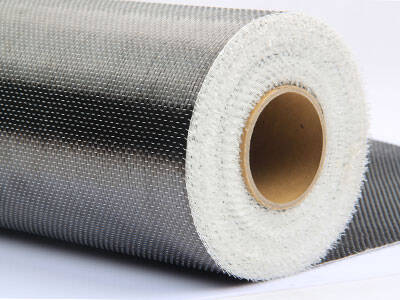
High strength, unidirectional carbon fiber wrap pre-saturated to form a carbon fiber reinforced polymer (CFRP) wrap used to strengthen structural concrete elements.

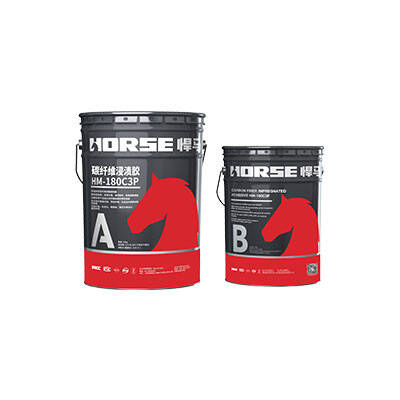
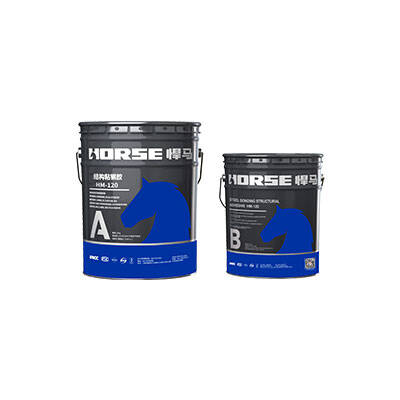
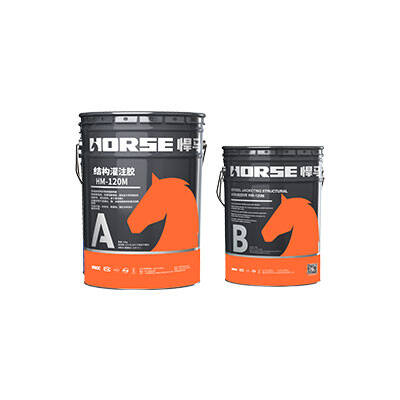
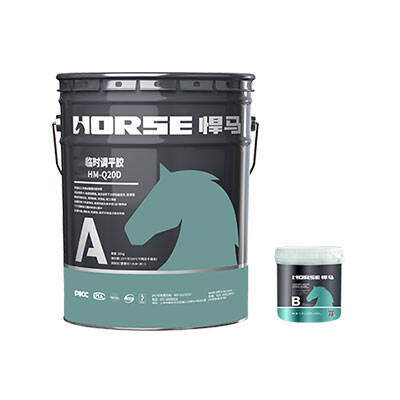
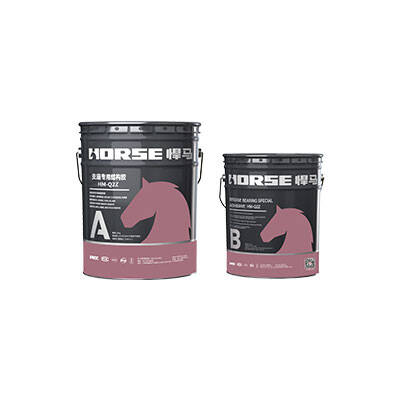
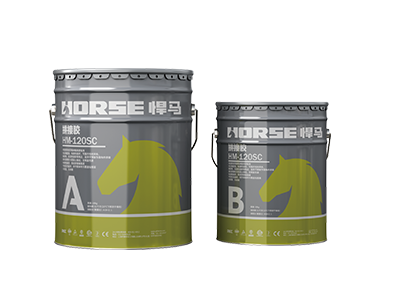
High strength crack sealing repairing adhesive for the fracture surface of concrete crack

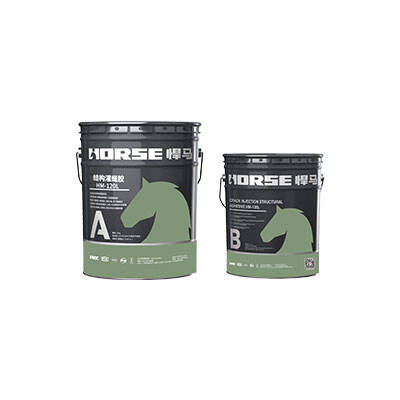
Very strong penetration and low viscosity epoxy crack injection adhesive for repairing concrete crack
